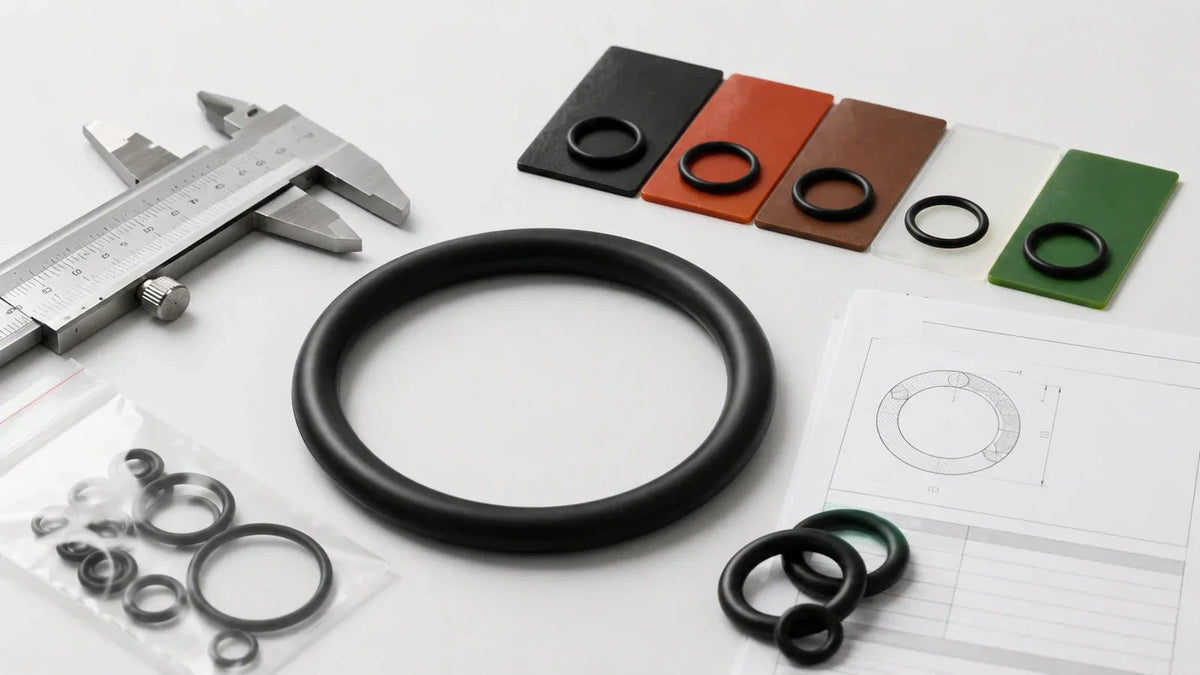
Small O-ring packs are useful when you need replacement seals for household repairs, workshop maintenance, plumbing fittings, pumps, valves, small engines, garden equipment, and general mechanical projects. Instead of buying one single O-ring size every time, a small pack gives you several common sizes that can be tested against the part you are repairing.
For DIY repair work, the goal is simple: find a seal that fits the groove, matches the fluid or environment, and compresses correctly without stretching, pinching, or leaking. This guide explains how to choose small O-ring packs, what sizes to check, which materials are common, and when a mixed assortment makes sense.
Quick Answer: When Should You Buy a Small O-Ring Pack?
Buy a small O-ring pack when you are repairing common equipment and need a few replacement sizes available for testing or maintenance. A pack is especially useful when the original O-ring is worn, flattened, swollen, or missing.
Small packs are often used for:
- Faucet and plumbing repair
- Pump and valve maintenance
- Automotive and motorcycle repair
- Garden sprayers and hose fittings
- Pressure washer fittings
- Air tool connectors
- Small engine maintenance
- Workshop and home repair kits
If you already know the exact size and material, buying that exact O-ring may be better. If you are matching an old seal or keeping parts ready for common repairs, a small pack is often more convenient.
What Is Included in a Small O-Ring Pack?
A small O-ring pack usually includes multiple O-rings grouped by size, material, or application. Some packs include one size in a specific quantity. Others include an assortment of several inside diameters and cross sections.
Common pack styles include:
| Pack Type | Best For |
|---|---|
| Single-size pack | Known replacement size |
| Assorted size pack | Testing and matching old seals |
| Material-specific pack | Oil, water, or general repair needs |
| Maintenance kit | Workshop or field repair use |
| Bulk small pack | Repeat repair jobs or small production runs |
For most DIY users, an assorted pack is practical because it gives room to compare sizes before choosing the final seal.
Measure Before Choosing a Pack
Correct size matters as much as material. A seal that is close but not correct can leak, roll out of the groove, tear during installation, or fail early.
For O-rings, check three dimensions:
- Inside diameter, often called ID
- Cross section, often called CS
- Outside diameter, often called OD
The basic formula is:
OD = ID + (2 x CS)
If the old seal is still available, measure it with a caliper without stretching it. If the old seal is swollen or flattened, compare your result with an O-ring size chart before ordering. If you are unsure, review how to measure an O-ring before selecting a pack.
Choose the Right Material
Many small O-ring packs are made from NBR because it is common, affordable, and useful for many oil, grease, and general repair applications. NBR O-rings are often a good starting point for workshop, automotive, small engine, and hydraulic-related maintenance.
However, NBR is not the best material for every repair. Water, steam, outdoor exposure, fuels, cleaning chemicals, and heat can require different materials. If the seal will touch an unknown fluid, check a material guide or chemical compatibility guide before buying.
Common materials include:
- NBR for oil, grease, and general mechanical repairs
- EPDM for water, weather, ozone, and many outdoor uses
- FKM for higher heat, fuel, and stronger chemical resistance
- Silicone for flexibility and some temperature-sensitive uses
Do not choose by color alone. Black O-rings can be made from different materials.
Match the Pack to the Repair Environment
Before buying repair O-rings, ask what the seal will touch during use. The same size can perform very differently depending on the fluid and temperature.
For oil or grease, NBR is often a practical choice. For water and outdoor weather exposure, EPDM may be better. For fuel, higher heat, or aggressive chemicals, FKM may need to be considered.
Also check whether the seal is static or dynamic. A static seal is compressed between parts that do not move against each other. A dynamic seal works with motion, sliding, rotation, or repeated movement. Dynamic repairs may need closer attention to material, hardness, lubrication, and surface finish.
Small Packs vs Assortment Kits
Small packs and larger assortment kits solve different problems.
A small pack is better when:
- You know the size
- You need several replacements for one repair type
- You want a clean, simple reorder item
- You are maintaining the same equipment repeatedly
An assortment kit is better when:
- The old size is uncertain
- You work on different fittings or devices
- You need emergency repair options
- You want several sizes ready in one box
For repeat repairs, test the fit with a small quantity first. Once the size and material are confirmed, larger pack quantities or a bulk quote can reduce reorder work.
Buying Checklist for Small O-Ring Packs
Before placing an order, collect these details:
- Inside diameter
- Cross section
- Material
- Hardness, if known
- Quantity
- Fluid exposure
- Temperature range
- Static or dynamic use
- Original equipment information, if available
- Whether you need one size or assorted sizes
If you cannot confirm all details, start with size, material, and application environment. Those three factors solve many common repair questions.
Common Mistakes to Avoid
Avoid these mistakes when buying small O-ring packs for repair work.
Guessing the Size
Guessing by eye can lead to leaks or damaged seals. Measure the inside diameter and cross section before choosing a pack.
Ignoring Material
A pack that works for oil may not work for hot water, steam, outdoor weather, or chemicals. Match the material to the environment.
Stretching the O-Ring During Installation
Too much stretch can weaken the seal. The O-ring should fit the groove without excessive force.
Buying Too Many Before Testing
For uncertain repairs, test fit a small quantity before ordering a larger pack.
Reusing Damaged Seals as the Only Reference
Old O-rings can swell, shrink, harden, or flatten. Use the old seal as a reference, but compare the measurement with a standard chart when possible.
FAQ
Are small O-ring packs good for DIY repair?
Yes. Small O-ring packs are useful for common DIY repair tasks because they keep replacement seals available for fittings, pumps, valves, sprayers, small engines, and workshop maintenance.
What material is best for small repair O-rings?
NBR is common for oil, grease, and general mechanical repair. EPDM may be better for water and outdoor exposure. The best material depends on the fluid and environment.
How do I know what size O-ring pack to buy?
Measure the inside diameter and cross section, then compare the result with a size chart. If the old seal is damaged, measure carefully and check the equipment groove when possible.
Should I buy one size or an assortment kit?
Buy one size when you know the exact replacement. Buy an assortment kit when the size is uncertain or when you repair many different fittings.
Can small O-ring packs be used for plumbing?
They can be used for some plumbing-related repairs if the size and material match the application. For water exposure, material choice is important.
When should I request a quote instead of buying small packs?
Request a quote when you need repeat quantities, production use, maintenance stock, or a confirmed material and size for regular repairs.
Final Tip
Small O-ring packs are most useful when they are chosen with the repair environment in mind. Measure the size, confirm the material, check the fluid exposure, and start with a small quantity when the application is uncertain.
Once the right seal is confirmed, keeping a few repair O-rings on hand can make routine maintenance faster and reduce downtime.